

Search Engine Optimization (SEO) is more than a marketing buzzword, it’s the strategic foundation that determines whether your organization is visible, credible, and discoverable in today’s search-driven world. Whether you run a small language school, a healthcare practice, or a logistics company entering new markets, your audience is already searching online for what you offer.
SEO ensures they find you first.
In an era when 93% of online experiences start with a search engine, SEO is no longer optional, it’s essential. From attracting parents to a French-language school, to connecting nonprofits with donors, or helping B2B firms gain visibility in new regions, SEO bridges the gap between your services and the people actively seeking them.
This guide simplifies SEO for real-world professionals. You’ll learn what SEO is, why it matters, how to apply it effectively, and how it’s evolving in 2025 and beyond.
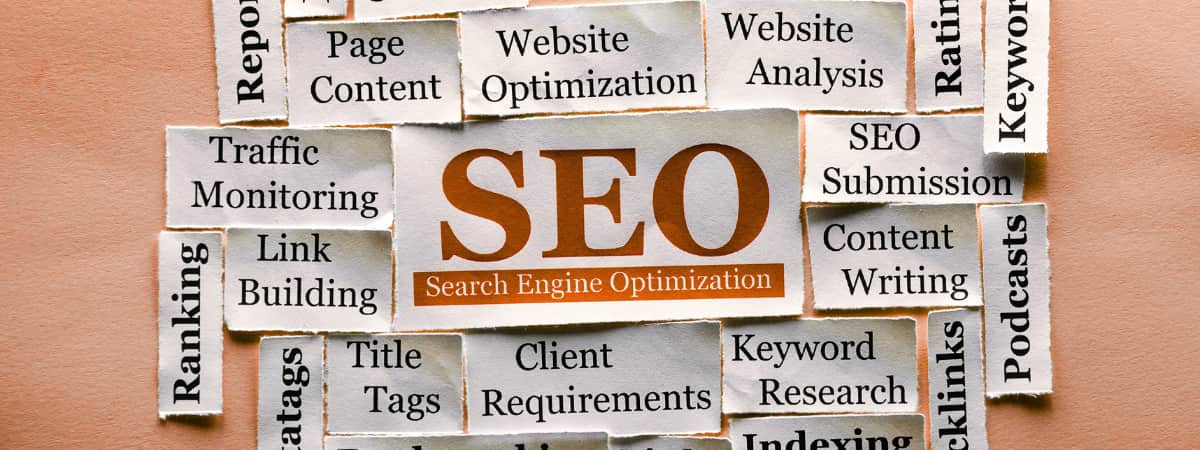
What is SEO?
Search Engine Optimization (SEO) is the process of improving a website’s visibility in search results like Google or Bing. The goal is to attract organic (unpaid) traffic by ensuring that your site appears when users search for topics, products, or services related to what you offer.
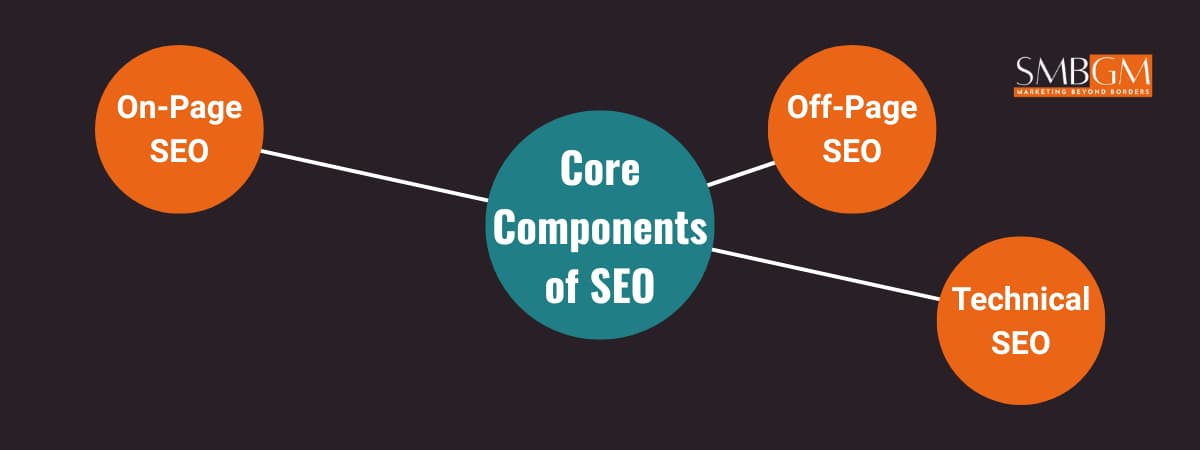
SEO works on three levels:
- On-Page SEO: Optimizing content, titles, keywords, and metadata directly on your website.
- Off-Page SEO: Building authority through backlinks, reviews, and online mentions.
- Technical SEO: Ensuring the website is fast, mobile-friendly, and structured for easy crawling by search engines.
When done right, SEO ensures your website not only ranks well but also provides an excellent user experience, something Google increasingly rewards.
Why SEO Matters for Today’s Organizations
In today’s digital ecosystem, visibility determines opportunity. Whether you’re a mid-sized business, nonprofit, or personal brand, your audience is searching for information, products, and solutions online. SEO ensures that your organization appears when those searches happen.
Nearly every online experience begins with a search. When people want to compare services, find answers, or make purchasing decisions, they turn to Google or Bing. If your website doesn’t appear in those moments, potential visitors, clients, supporters, or learners will discover someone else instead.
SEO matters because it bridges intent and discovery. It aligns your online presence with what users are actively looking for. Unlike traditional advertising, which interrupts, SEO captures attention precisely when people are ready to engage.
Beyond visibility, SEO builds credibility. Users tend to trust websites that appear on the first page of search results. Strong rankings signal authority, professionalism, and reliability. At the same time, optimizing your site for SEO often improves user experience, faster pages, mobile-friendly design, and clear navigation all of which contribute to stronger engagement and conversions.
In short, SEO isn’t just about attracting traffic, it’s about earning trust, enhancing relevance, and creating long-term growth in an online world defined by competition and constant change.
Why a Professional SEO Team Matters
While it’s possible to manage SEO alone, working with a professional SEO team ensures your strategy is comprehensive and future-proof.
An SEO team combines diverse expertise:
- Strategists who identify target keywords and topics.
- Writers who craft optimized, user-focused content.
- Technical experts who improve site speed, structure, and performance.
- Link builders who establish credibility and authority.
At SMB Global Marketing, our SEO team aligns all these elements to create a unified strategy. The result is not just higher rankings, but sustained growth, improved user trust, and measurable ROI.
Sharmila is an absolute joy to work with. For the past several years, she has helped me create my client’s SEO plans so they can rank higher in the Search Engines. With a background in SEO myself, I wasn’t quick to hand this over to just anyone, but Sharmila took over and is now my go-to whenever I need a new plan created. She is smart and intuitive, which is a key factor in SEO. I hope to work together for many years to come and can’t recommend her and her services more.
By Jori Estevian
Founder, Bee Seen Marketing & Media
Core Components of SEO
A. On-Page SEO
- Keyword research and placement
- Title tags, meta descriptions, and headers (H1–H3)
- Internal linking between related pages
- Image optimization with descriptive alt text
- Content structure (readable, keyword-balanced, user-focused)
B. Off-Page SEO
- Backlinks from credible sites
- Guest articles or mentions on relevant blogs
- Social sharing and brand mentions
- Google Business Profile optimization (for local visibility)
C. Technical SEO
- Mobile responsiveness
- Page load speed (Core Web Vitals: LCP, FID, CLS)
- HTTPS security
- Structured data (schema markup for events, reviews, or FAQs)
- XML sitemaps and crawlability
These pillars work together to build both authority and usability—the two qualities search engines value most.
Pros and Cons of SEO
| Pros | Cons |
|---|---|
| Builds long-term, sustainable traffic | Takes 3–6 months to see results |
| Increases credibility and trust | Requires continuous updates |
| Cost-effective over time | Competitive industries can be tough |
| Improves user experience | Algorithm updates may affect rankings |
| Measurable ROI via analytics | Needs ongoing technical maintenance |
In essence: SEO is a long-term game that pays off in credibility, consistency, and cost efficiency.
The Three Pillars in Practice
Think of SEO as a garden:
- On-page is planting quality seeds (content and keywords).
- Off-page is building healthy soil (trust and backlinks).
- Technical SEO is the sunlight and water (speed, structure, usability).
Without one, the ecosystem suffers. The key is balance.
SEO Best Practices (2025 and Beyond)
Google’s 2025 ranking systems emphasize helpful, people-first content guided by the E-E-A-T principle — Experience, Expertise, Authoritativeness, and Trustworthiness.
Key practices include:
- Write for humans first, algorithms second.
- Use conversational keywords and semantic relevance.
- Maintain fast, mobile-optimized websites.
- Apply structured data for AI and voice-search visibility.
- Update old pages regularly.
- Earn backlinks through genuine value, not shortcuts.
For example, a French school might publish articles like “How French Immersion Boosts Children’s Confidence” or “Top 10 French Storybooks for Kids”—valuable to users and rich in natural keywords.
10 Myths and Facts About SEO
| Myth | Fact |
|---|---|
| SEO is a one-time task | SEO is ongoing—it evolves as algorithms change. |
| Anyone can do SEO easily | It requires skill and experience—best handled by an SEO team. |
| SEO guarantees instant results | Real SEO takes 3–6 months to start showing measurable outcomes. |
| Keywords are all that matter | User intent and experience are equally vital. |
| Backlinks don’t matter anymore | Quality backlinks remain a key ranking factor — low-quality ones don’t help and can even hurt. |
| SEO and PPC compete | They complement each other. |
| Social media doesn’t affect SEO | Social signals support brand awareness. |
| SEO is only for big brands | Small businesses thrive through local SEO. |
| AI-generated content replaces SEO | AI assists, but human expertise ensures success. |
| You don’t need professionals | A skilled SEO team like SMB Global Marketing prevents costly mistakes. |
Common SEO Strategies
- Keyword Research & Topic Clusters: Identify terms your audience searches, then create pillar content (main pages) and supporting articles that interlink.
- Content Optimization: Update titles, headers, and structure for clarity and depth.
- Link Building: Earn quality backlinks through guest posts, PR, and partnerships.
- Local SEO Optimization: Keep business listings (Google, Bing, Yelp) consistent.
- Voice Search Optimization: Use conversational tone and question-based content.
- Technical Improvements: Speed, mobile responsiveness, and schema implementation.
Future of SEO – As of Fall 2025
SEO is evolving beyond traditional rankings toward AI-driven, localized, and multimodal search. The future belongs to brands that integrate SEO, AEO, and GEO strategies.
Many SEO teams are already managing visibility across search engines, AI-generated answers, and location-based results simultaneously. Staying adaptable and data-driven will be key to maintaining visibility as search continues to transform.
To learn more, explore our article on SEO vs GEO vs AEO
Common SEO Challenges & Mistakes
| Mistake | Impact | Solution |
|---|---|---|
| Keyword stuffing | Penalties, poor readability | Use natural language |
| Ignoring mobile optimization | High bounce rate | Test responsiveness |
| Duplicate content | Diluted authority | Consolidate pages |
| No structured data | Missed AI/voice opportunities | Implement schema |
| Ignoring analytics | Missed insights | Review data weekly |
| Treating SEO in isolation | Lost synergy | Integrate with PR, content & social |
How an SEO Team Like SMB Global Marketing Delivers Results
Our SEO team blends technical expertise, creative strategy, and analytical precision to deliver measurable outcomes.
At SMB Global Marketing, we follow a structured process:
- Comprehensive SEO Audit & Research
- Strategic Content Development
- Authority Building & Outreach
- Continuous Optimization and Reporting
By partnering with a professional SEO team, your business gains not just visibility but trust, performance, and sustainable growth.
Integrating SEO with Broader Marketing
SEO strengthens every digital channel:
- Content Marketing: Guides high-impact topics.
- Social Media: Builds awareness and brand signals.
- Paid Ads: PPC data refines keyword strategy.
- Public Relations: Media coverage enhances backlinks.
Together, these form a unified digital ecosystem where every channel amplifies the others.
Key Takeaways
- SEO is a strategic investment, not a quick fix.
- Focus on quality content, site performance, and user experience.
- Align SEO with business goals, visibility, credibility, or conversions.
- Measure and adapt as algorithms evolve.
- Partner with a professional SEO team for lasting success.
Conclusion
SEO is the digital compass that helps your organization be found, trusted, and chosen. Whether you’re educating children, offering healthcare, or expanding globally, your audience is already searching.
By working with a professional SEO team like SMB Global Marketing, you don’t just chase algorithms, you earn lasting visibility, credibility, and growth.
In today’s online landscape, visibility equals viability. And SEO – done right – is how you achieve both. Ready to grow your online presence? Partner with the expert SEO team at SMB Global Marketing and start ranking higher today!








 English
 Español