

Have you ever wondered how to make your business stand out in new markets? Expanding internationally brings incredible opportunities, but success depends on connecting with the right audience. So, where do you start?
International keyword research is a great place to begin. Understanding how people search in different regions helps you create a more targeted marketing strategy, making it easier to reach new customers and grow your business globally.
Sharmila Hall, Founder of SMBGM, describes international keyword research as a powerful tool for global expansion:

“International keyword research is like a passport for your business. It connects you with people around the world. The right SEO tools help businesses find the perfect keywords for each country, making them stand out in any market.”
You might be surprised at how much keyword rankings can change from one country to another. If you identify these differences through international SEO keyword research you’ll ensure your content resonates with the right audience and help your business succeed in global markets.
What Is International Keyword Research?
If you’re familiar with basic keyword research, you know it’s all about identifying the words your audience is searching for when looking for services or products you offer, and optimizing for those words to drive traffic to your website. International keyword research takes this concept a step further by helping you discover what people in other countries are searching for.
To get noticed internationally, you’ll need to understand:
- Keywords by Country: Different regions have different language preferences and search habits.
- Cultural Nuances: Even when the same language is spoken, search behavior can vary. For example, British English and American English can differ in spelling and usage, which means your keywords should reflect those preferences.
Alondra Vélez, Brand Storyteller at SMBGM, experienced firsthand how language differences can impact communication. Even among speakers of the same language:
“I’ll never forget when three of my teammates from different parts of Central America got into a heated debate over a word we were using. Turns out, it had a completely different meaning for each of them! We couldn’t stop laughing, but it was a real lesson in just how important international keyword research is. What makes perfect sense in one country might be totally off in another. It taught me never to assume. What works in one place might not work everywhere, and research is the only way to avoid those awkward moments.”
Why Businesses Need International Keyword Research
International keyword research can make a real difference for your business, here’s why:
1. Expand Your Reach
Using international keyword search, you can discover new markets and connect with potential customers you never thought possible.
2. Create More Relevant Content
Generic, one-size-fits-all content doesn’t work when you’re targeting international audiences. You need to speak their language—literally and figuratively.
3. Boost Your Visibility in Search Results
Search engines love content that matches what users are looking for. When you target the right international keywords, you’ll boost your visibility in search results.
4. Stay Ahead of Competitors
If your competitors aren’t using international keyword research yet, you can get a head start! By understanding the rank of keywords internationally, you can fill in gaps and reach customers your competitors are missing.
5. Build Stronger Relationships with Customers
The more you get to know your international customers, the easier it is to connect with them. Using local keywords shows you understand and respect their culture and language, which helps build trust and a stronger bond.
Jamye Sharp, SEO Content Specialist at SMBGM, has seen firsthand how language plays a key role in forming meaningful connections:
“Even though I’m American, knowing Spanish makes it much easier to connect with clients. It’s not just about the language—it helps me understand their daily life and build real relationships. It really shows how important it is to know both the language and the culture if you want to build trust.”
Steps to Conduct International Keyword Research
Breaking into global markets might seem intimidating, but with a good approach, it’s actually very manageable. Here’s a step-by-step guide to help you get started:
1. Identify Target Markets
The first step in international keyword research is identifying where your potential customers are located.
- Analyze Your Traffic: Start by checking where your current website traffic is coming from. Use tools like Google Analytics to pinpoint regions that show interest in your products or services. If you’re already getting traffic from certain countries, it’s a great sign that those markets are worth exploring further.
- Consider Cultural and Economic Factors: Consider factors like the economy, internet usage rates, and local competition. Does your product or service align with the market’s needs? This will help you focus on the regions with the highest potential.
2. Research Local Search Behavior
Understanding how people search for products and services is key when conducting international keyword research.
- Search Habits and Preferences: People in different countries may search for the same product or service differently. For example, payment methods, product preferences, and shopping habits can vary. Research these regional differences to better align your content.
- Avoid Direct Translations: Translations often miss the mark when it comes to regional meaning. Instead, adapt your keywords to fit local culture and preferences.
- Get Local Help: Consider hiring a native speaker or a consultant to help you navigate the language and cultural differences in the market you’re targeting. They can ensure your keywords reflect the way people naturally speak, making your content feel more authentic.
3. Optimize Your Content
Now that you’ve completed your international SEO keyword research, it’s time to integrate those keywords into your content. But don’t just focus on the text—optimization should cover all aspects of your site.
- Meta Descriptions and Headers: Make sure your keywords are reflected in your meta descriptions, page titles, and headers. These elements play a key role in your site’s visibility on search engines, so don’t skip them!
- Body Content: Integrate your keywords naturally into the body of your content, but be careful not to overdo it. Keyword stuffing can hurt your rankings, so aim for a natural flow.
- Optimize Visuals: Don’t forget about images! Your alt text and image names should also align with your keyword strategy. For example, if you’re using keywords related to a specific location, make sure your image filenames and alt text reflect that.
4. Research Local Search Engines
While Google is the go-to search engine for many countries, it’s not the only player in the game. Ignoring local search engines can hurt your international visibility. For instance, Baidu is the dominant search engine in China, while Yandex is widely used in Russia.
Tools and Resources
Here’s a breakdown of the essential tools—both free and paid—that can help you tackle international keyword research.
Free Tools
Not every tool comes with a price tag. In fact, there are several great free tools that can get you started on your international keyword research without breaking the bank.
- Google Keyword Planner
Google Keyword Planner is a free tool that provides insights into the keywords your target market is searching for. It’s perfect for businesses just starting to explore international keyword research.- What It Does: It helps you discover new keyword opportunities, gauge keyword search volume, and understand competition levels for various keywords in different countries. Use the “location” filter to analyze search volume and competition for keywords by country or region, ensuring your international SEO tracking is localized and precise.
- Google Trends
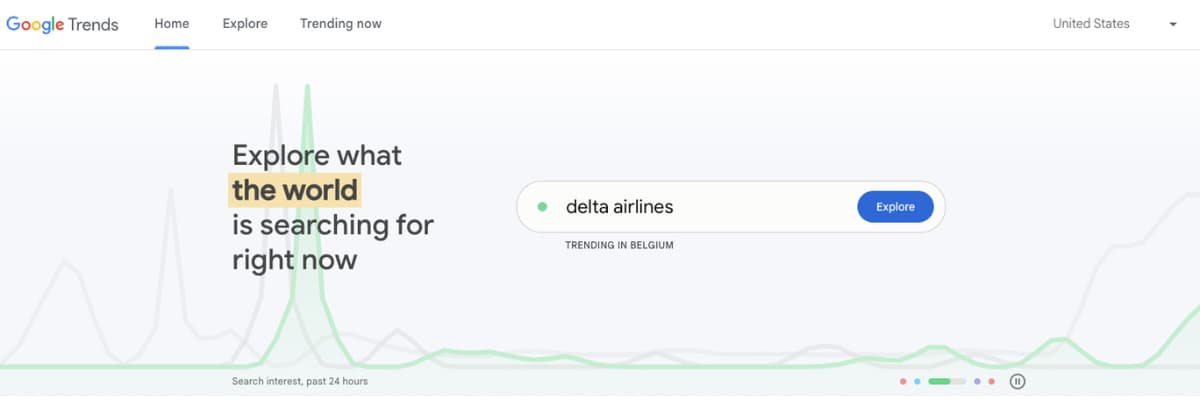
Google Trends is another fantastic free tool that gives you a real-time look at search trends across different regions.- What It Does: Google Trends allows you to analyze search interest over time and across various geographic regions. It’s incredibly useful for seeing how keywords perform in different countries and identifying seasonal trends. Pay attention to the “Related Queries” section on Google Trends for additional keywords that may be trending in specific countries, giving you more data to work with when refining your international keyword ranking tool strategy.
- Ahrefs Free Tools
Ahrefs offers some fantastic free tools that make SEO accessible, especially if you’re just starting with international keyword research.- What It Does: You can analyze your site’s performance, find backlink opportunities, and fix technical issues with Ahrefs Webmaster Tools. The Free Keyword Generator helps you discover keywords across different countries, while the Backlink Checker lets you see who’s linking to your site. There’s also a handy SEO Toolbar for quick webpage insights and a Broken Link Checker to clean up your site.
Paid Tools
If you’re ready to take your international keyword research to the next level and have the budget to invest in premium tools, these paid resources are worth looking into.
- Ahrefs Paid Tools
Ahrefs is a powerhouse for international SEO keyword research, offering a wide range of features designed to help you find top-performing keywords in multiple countries.- What It Does: The Keyword Explorer is your go-to for checking keyword volume, clicks, and other stats across different markets. And Ahrefs’ “Content Gap” tool is a must-try—it’s fantastic for spotting keyword opportunities your competitors are missing. It’s a game-changer!
- SEMrush
SEMrush is another great tool for international SEO keyword research and allows you to see how your competitors are doing in the international market.- What It Does: SEMrush has what you need to take your SEO game global. From tracking keywords to running on-page audits and analyzing competitors in different regions, it’s got you covered. Plus, the international SEO tracker lets you see how your keywords perform across countries. And don’t miss out on the “Keyword Magic Tool” – it’s perfect for finding keyword ideas tailored to each country’s unique search habits.
- SpyFu
SpyFu is an excellent tool for understanding your competitors’ international keyword strategies.- What It Does: SpyFu lets you see the keywords your competitors are ranking for, including ones aimed at international markets. It gives you insights into both organic and paid search strategies, so you can build a stronger global SEO plan. The “Competitor Keyword Matrix” tool is super handy for spotting keyword gaps and finding ways to outshine your competitors at home and abroad.

The right tools can streamline your research, helping you discover high-impact keywords while saving time and effort.
As the SMBGM team puts it:
““Investing in the right tools is like having a map before exploring new territory—it saves time, effort, and keeps you on the right path.”
Final Tips for Businesses
SEO is a marathon, not a sprint, and international keyword research is no exception. It takes time, patience, and strategy, but with the right approach, it can create new opportunities and connect you with audiences worldwide. Here are some final tips:
1. Start Small
If the idea of diving into international SEO feels overwhelming, you’re not alone. The good news? You don’t have to go global all at once. Focusing on one or two international markets initially will allow you to understand the unique dynamics of each region without spreading yourself too thin.
2. Stay Flexible
As you embark on your international keyword research, one thing is certain: things will change. Being adaptable is key to long-term success. By staying open to making adjustments to your keyword strategy, you can respond to real-time changes and adapt to the evolving needs of your consumers. This includes tweaking your international SEO tracking efforts and being ready to update your content when necessary.
3. Partner with Experts
Even though you can tackle international SEO on your own, teaming up with a multilingual marketing agency might be the smarter move. SEO can get pretty complex, especially when you’re juggling multiple languages, cultural differences, and trends unique to each region. A good agency brings expert guidance to the table, helping you navigate the details and make sure nothing important slips through the cracks.
4. Track Progress and Learn from Mistakes
Lastly, make sure to keep an eye on your progress. International SEO tracking helps you see how your audience is engaging with your content in different regions, not just where you rank. By staying on top of your performance, you can figure out what’s working well and what might need a little tweaking.
Conclusion
International keyword research can help your business build stronger connections around the world. By understanding global audiences, selecting the right keywords, and using tools like Ahrefs, SEMrush, and SpyFu, you can uncover opportunities for meaningful growth. Of course, turning all that data into a strategy that works can feel overwhelming—that’s where a marketing agency like SMBGM can offer support and guidance.Ready to expand your global reach? Let’s explore the possibilities together!









 English
 Español