

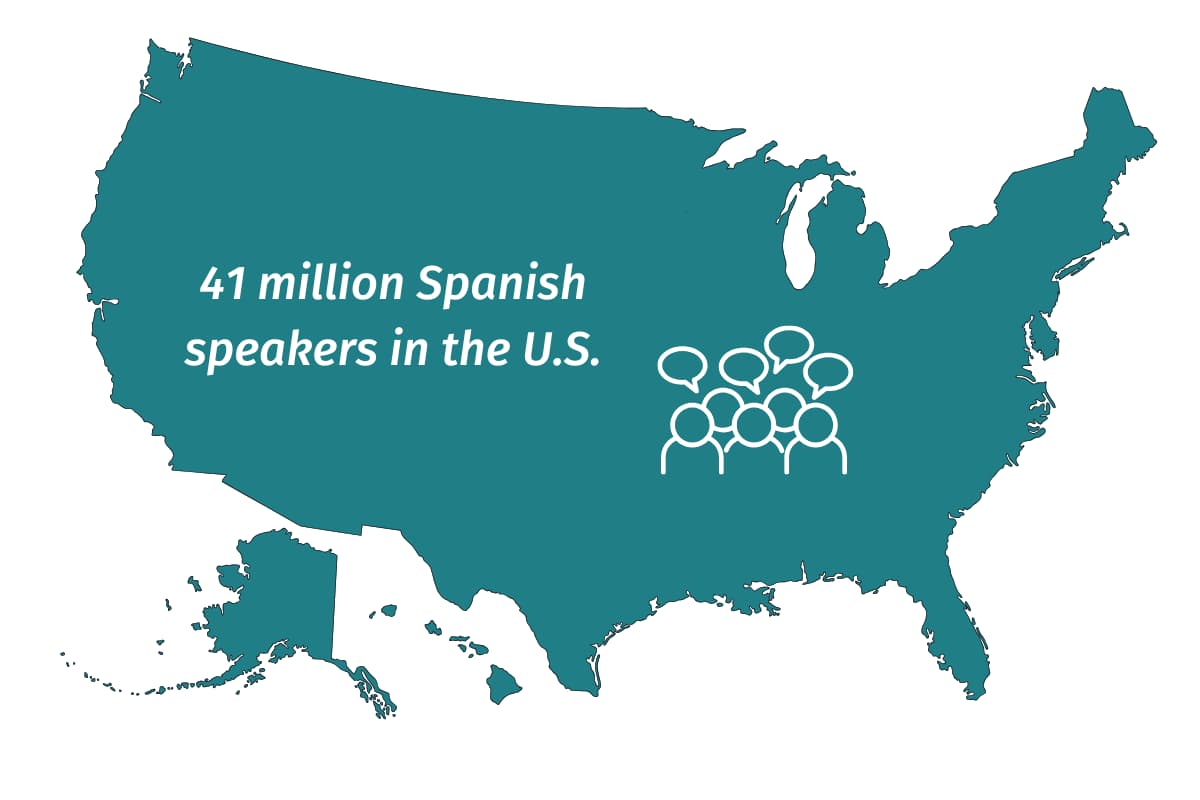
When was the last time you thought about how diverse your online audience is? If you’ve been focusing only on English-speaking customers, you could be missing out on a huge opportunity: the Spanish-speaking community. Spanish is the second most spoken language in the world, and in the U.S. alone, there are over 40 million Spanish speakers. With numbers like that, it’s clear that tapping into this market can open up exciting possibilities for your business.
But how do you effectively reach Spanish-speaking audiences online? This is where Spanish SEO (Search Engine Optimization) comes into play. Spanish SEO is not just about translating your content into Spanish—it’s about creating a tailored strategy to connect with diverse Spanish-speaking communities.
So, let’s dive into what Spanish SEO is all about and how you can develop a winning strategy that resonates with different Spanish-speaking audiences.
Why Spanish SEO Matters
Think of SEO as your guide to getting found on the internet. When people type something into a search engine (like Google), they’re looking for content that matches their needs. Now imagine someone who speaks Spanish, searching for something online. If your website only provides content in English, you’re instantly limiting your visibility. These potential customers might not even find you.
Spanish SEO helps you cater to Spanish-speaking audiences by optimizing your website, blog posts, and content to show up in search results in their language. Here’s why it’s a must for businesses:
- Reach a Larger Audience: As we mentioned, Spanish speakers represent a large and growing demographic. By optimizing for Spanish, you open the door to millions of new potential customers.
- Build Trust and Connection: When people find content in their native language, they feel more understood and valued. You’re not just speaking their language—you’re speaking to them, directly and personally.
- Improve User Experience: Tailoring your website to Spanish speakers ensures they have a smoother experience navigating and understanding your offerings, leading to higher engagement and conversions.
Spanish SEO is not just about translation. It’s about making your content relevant, relatable, and reachable to the people who speak Spanish.
Recognizing the Diversity of Spanish-Speaking Communities
One of the biggest mistakes businesses make is thinking that “Spanish” is a one-size-fits-all language. Here’s why that’s important to consider:
- Language Variation: Spanish is spoken in many regions, but the way it’s used can really vary based on where someone is from. Think about how American and British English differ—expressions like “Blimey, mate!” just don’t resonate the same way in the U.S.
- Diverse Audience in the U.S.: The U.S. is home to over 41 million native Spanish speakers, making it the second-largest Spanish-speaking country in the world, right after Mexico. Plus, the Hispanic population here grew by 23% from 2010 to 2020, according to the U.S. Census Bureau. That’s a lot of people!
By understanding and embracing the diversity of Spanish-speaking communities, you can connect with these growing audiences in a meaningful way.
Building a Spanish SEO Strategy
Now that we’ve covered why it’s important to speak the right kind of Spanish, let’s talk about how to actually build an effective Spanish SEO outreach strategy.
1. Do Your Keyword Research—In Spanish!
Just as you wouldn’t use random words in English SEO, the same principle applies to Spanish SEO. It’s crucial to understand what terms your audience is actually searching for. Tools like Google Keyword Planner, and Ubersuggest offer Spanish-language keyword research options, helping you pinpoint the exact words and phrases your target audience uses when searching online.
Tips for Effective Spanish Keyword Research:
- Use Autocomplete for Insights: Google’s autocomplete feature can give you insights into common search terms. Start typing a keyword related to your business in Spanish, and see what suggestions come up. This can provide real-time insights into trending searches.
- Analyze Competitor Keywords: Check out the keywords your competitors are ranking for in different Spanish-speaking regions. Tools like Ahrefs or SEMrush can help you track your competitors’ Spanish SEO outreach efforts and identify opportunities for your own strategy.
- Hire a Multilingual or Spanish SEO Agency: If you’re unsure where to start or lack the time for in-depth research, consider working with an experienced Spanish or Multilingual SEO agency. These Spanish SEO experts are well-versed in the nuances of language, culture, and search behavior across Spanish-speaking countries. They can ensure your keyword strategy is tailored to each market and help you avoid potential pitfalls.
By utilizing these keyword research strategies, you’ll set a solid foundation for building a successful Spanish SEO campaign, ensuring your content is relevant, localized, and optimized to reach your target audience.
2. Create Content for Your Audience’s Needs
Once you have your keywords, the next step is to create content that matches your audience’s search intent. This goes beyond simply translating English content into Spanish; it’s about creating content that truly resonates with Spanish-speaking users in their local context.
Targeting Audiences in Europe (Spain)
If your target market includes Spain, it’s essential to tailor your content specifically to European Spanish, often called Castilian Spanish. There are notable differences between the vocabulary used in Spain and that used in Latin America, which can impact how your audience interacts with your content.
For example:
- “Computer” is referred to as ordenador in Spain, whereas in most of Latin America, the word computadora is used.
- “Car” is called coche in Spain, but many Spanish speakers outside of Europe use the word carro.
Even common phrases differ. These distinctions are crucial when optimizing for Spanish speakers in Europe. If you’re targeting audiences in Spain but use Latin American terminology, your content may feel disconnected or foreign, which can hinder trust-building.
To effectively localize your Spanish SEO strategy for Spain:
- Use region-specific keywords: Research the terms commonly searched in Spain to ensure you’re using vocabulary that resonates with your audience.
- Adapt tone and expressions: Tailor your content to reflect the communication style and cultural nuances of Spanish speakers in Europe.
Targeting Audiences in Latin America
Latin America is a vast region with many countries, each having its own variations of Spanish. While the language is largely the same across the region, vocabulary, idioms, and even accents can vary significantly from one country to another. Paying attention to these differences is key to the success of your Latino SEO strategy.
For instance:
- “Car” is typically referred to as carro in most of Latin America, but auto is also common in countries like Argentina and Chile.
- “Cell phone” is called celular in Mexico, while in Spain, the word móvil is used. If you’re targeting users in Latin America, celular would be the better choice.
In addition to vocabulary, cultural differences matter too:
- In Mexico, people often refer to friends as cuates, but in Argentina, they might say pibes. While these differences might not directly affect SEO in Spanish, they influence how relatable and engaging your content feels to your audience.
For a successful Latino SEO strategy:
- Focus on country-specific keywords: Countries like Mexico, Colombia, and Argentina each have unique search behaviors. Use tools like Google Keyword Planner to identify which terms are most popular in each region.
- Consider regional slang and expressions: Adapting your content to the local vocabulary and idioms of each market can boost engagement and help your audience connect more deeply with your brand.
Why Localizing Content Matters
Localization is a big part of multilingual marketing—it’s all about making your content feel natural and relevant, not like a straight-up translation. When you tailor your content to match the Spanish spoken in each region, you’re creating a more meaningful experience that builds trust and keeps your audience coming back.
3. Optimize Your Metadata in Spanish
Your SEO efforts won’t be complete without optimizing the technical aspects of your site, such as metadata. This includes your title tags, meta descriptions, and image alt texts—all the little details that help search engines understand what your site is about.
Here’s how you can optimize for Spanish SEO:
- Title tags and meta descriptions: Include relevant keywords in your Spanish title tags and meta descriptions to improve your click-through rate. Think of these as mini-advertisements that encourage users to click on your site.
- Image alt text: Use Spanish alt text for images, which not only helps with SEO but also improves accessibility for Spanish-speaking users.
- URL slugs: If you’re creating Spanish versions of your pages, use Spanish keywords in the URLs to make them more relevant to searchers.
The more optimized your technical elements are, the better your chances of ranking higher in Spanish search results.
4. Build a Spanish-Language Version of Your Website
While translating individual blog posts or pages is a great start, the ultimate goal should be to create a fully Spanish-language version of your website. This gives your Spanish-speaking audience a seamless experience from start to finish.
Some options to consider:
- Subdirectories: Set up a Spanish version of your site using a subdirectory, like yoursite.com/es. This keeps your content organized under the same domain, which can benefit your SEO by consolidating all traffic and authority in one place. Plus, it’s easy for Spanish speakers to find relevant content.
- Hreflang tags: These tags let search engines know which version of your site to show based on the user’s language preference, ensuring Spanish speakers are directed to the right content.
A well-structured Spanish website makes it clear to users (and search engines) that you’re committed to serving your Spanish-speaking customers.

5. Don’t Forget About Local SEO
If your business has a physical location or serves a specific region, local SEO is key. Spanish speakers in your area are likely searching for products or services nearby, and you want to show up in those local search results.
To optimize for local Spanish SEO:
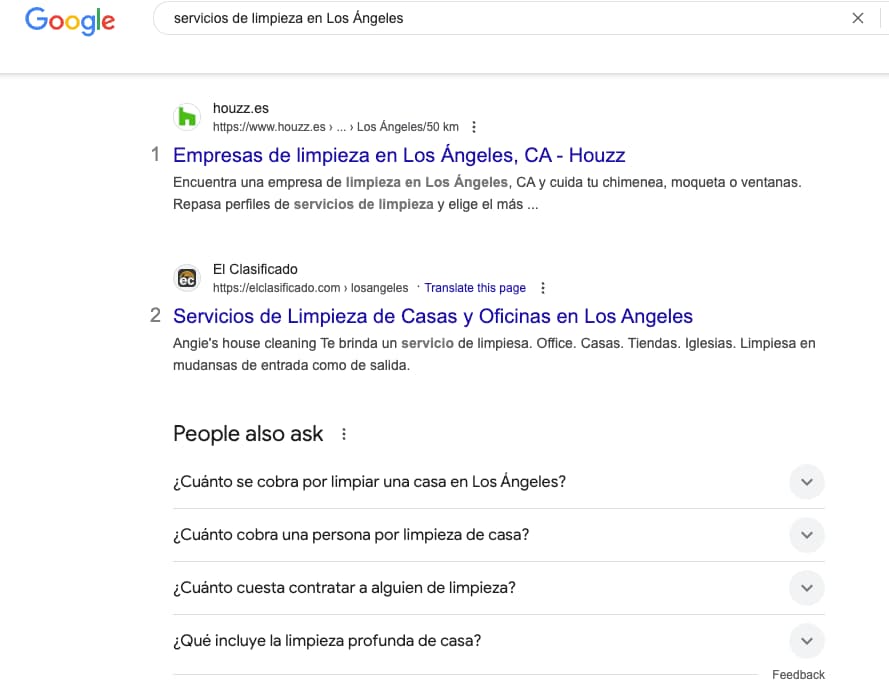
- Add location-specific keywords to your content (e.g., “tienda de ropa en Miami” or “servicios de limpieza en Los Ángeles”).
- Make sure your business listings are in both English and Spanish, with accurate and up-to-date information.
By showing up in local search results, you’ll be better positioned to attract Spanish-speaking customers.
Start Connecting with Spanish-Speaking Audiences
Spanish SEO isn’t just about translation—it’s about connection. By understanding the nuances of the Spanish language, recognizing the differences between Spanish-speaking communities, and crafting a thoughtful SEO strategy, you can tap into a market that’s eager for content that speaks to them.
Whether you’re optimizing your existing content or building a new multilingual website, the goal is the same: create a welcoming, accessible experience for Spanish speakers, and watch your business grow.
READY TO GET STARTED?









 English
 Español